About Me
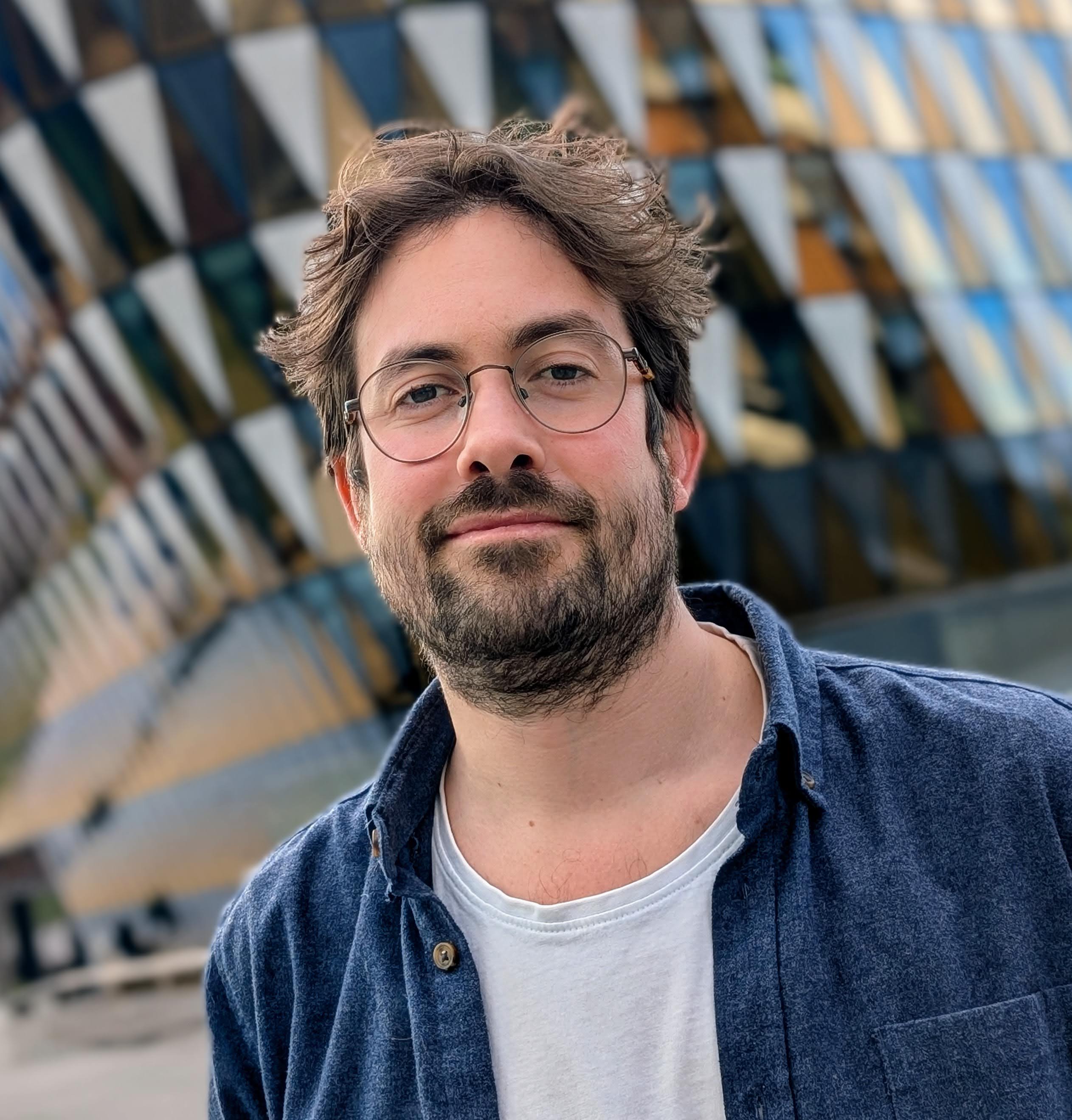
My name is Granville Matheson. I’m a Scottish South African living in Sweden, and I’m a researcher at the Karolinska Institute in Stockholm. I work at the intersection of neuroscience, statistics, and software development. I mostly work with methods that allow PET to be used to answer new research questions which could not otherwise be asked or answered, as well as developing tools that make PET research more reproducible and accessible and enable researchers to derive more accurate conclusions. Biologically, I have been recently been working mostly with neuroinflammation, for which quantification has been particularly troublesome owing to the complex behaviours of existing radiotracers and the complex biology of existing targets.
My academic journey has been anything but straight. I started studying chemistry with psychology tacked on as a fun extra subject. Psychology proved so interesting that I kept it up (though much of what I found so interesting turned out to be tenuous in the credibility crisis) and pursued it into my honours year. Through psychology, I found my way to cognitive neuroscience, which I pursued during my master in Utrecht, the Netherlands (though much of what I found so interesting in cognitive neuroscience turned out to be equally dubious). After the dead salmon experiment led me to start questioning what I was reading in that field (and rightly so), I took on an internship working with single-cell electrophysiology as an intern, but this wasn’t quite my preferred level of studying the brain. From there, I found a happy medium between the neurobiology and neurochemistry together with neuroimaging in PET. During my PhD with Simon Cervenka in the Department of Clinical Neuroscience, I learned more about programming and statistics, which really spoke to me. This led me to doing my postdoc with Todd Ogden at Columbia University in the Departments of Biostatistics and Psychiatry.
My research profile, informed by my winding background, is that of a transdisciplinary researcher seeking to combine what these different fields have to offer with one another. There are ways to answer clinically relevant questions better using models and methods which are optimally tailored to answering those questions. Similarly, by taking advantage of the extensive domain knowledge which exists about any given topic, it is possible to develop better models and methods which can exploit this information to better answer our research questions.